Angel: The Elegant Script Font for Timeless Designs
Fonts play a crucial role in shaping the tone and visual appeal of any design. Whether you're crafting a wedding invitation, designing a brand logo, or putting together a heartfelt thank you card, the right typeface can make all the difference. Enter Angel, a stylish and elegant script font that brings a refined handwritten touch to your projects. With its graceful curves and sophisticated look, Angel is more than just a font—it's an artistic expression tailored for professionals and creatives who value beauty and functionality.
What Makes Angel Stand Out?
Angel is designed to capture the essence of elegance through its flowing characters and subtle variations. It’s ideal for designs where personality and class are essential. One of its most notable features is its PUA (Palette Unicode Access) encoding, which gives users effortless access to a wide range of glyphs, ligatures, and alternate characters. This makes it incredibly versatile without requiring advanced knowledge of font tools or software.
The font supports multiple languages and includes comprehensive OpenType features, allowing for seamless integration into various design workflows. Whether you're using Adobe Illustrator, Photoshop, InDesign, or even digital platforms like Canva or Figma, Angel adapts well and maintains its high-quality appearance across different mediums.
Key Characteristics and Strengths
- Stylish and Modern: Angel blends traditional calligraphy with contemporary aesthetics, making it suitable for both vintage-inspired and modern design styles.
- Elegant Handwritten Feel: Its natural flow mimics the look of a skilled hand, adding warmth and authenticity to text-based visuals.
- PUA Encoding: This ensures easy access to special characters, including stylistic alternates and ligatures, without needing additional plugins or tools.
- High Readability: Despite being a script font, Angel remains highly legible—especially when used in short phrases or headings.
- Customizable Options: Designers often appreciate the ability to tweak spacing, add flourishes, or pair it with complementary fonts to create unique typographic combinations.
Practical Applications Across Industries
Angel is not limited to a single use case. Its versatility makes it a go-to choice in several fields. Here are some real-world applications where this font truly shines:
Wedding Invitations and Stationery
Weddings are about romance, love, and celebration—and the typography should reflect that. Angel offers a soft yet bold presence that feels both personal and polished. Use it for main titles, vows, or custom illustrations to elevate the overall aesthetic of your stationery suite. Its organic feel adds a human touch that printed fonts struggle to replicate.
Thank You Cards and Greeting Cards
Personalized thank you cards or greeting cards need a delicate balance between professionalism and emotion. Angel helps achieve that by offering a warm, inviting script that feels genuine. For instance, a boutique might use it on seasonal greetings sent to loyal customers, reinforcing brand identity while maintaining a heartfelt tone.
Quotes and Motivational Content
Inspiration thrives on presentation. When sharing quotes on social media, blogs, or posters, Angel’s script style adds a layer of sophistication. Imagine a wellness coach using it to design morning motivation posts—its elegance can subtly enhance the message's impact and encourage engagement from followers.
Logos and Branding
For brands that want to communicate grace and individuality, Angel can be a perfect fit. Especially in industries like fashion, beauty, or luxury goods, the font contributes to a premium look. A small artisanal soap company, for example, might incorporate Angel into their logo to evoke a sense of handmade quality and attention to detail.
Business Cards and Personal Branding
Entrepreneurs and freelancers often rely on business cards as a first impression tool. Angel can help stand out from the crowd by offering a signature style that reflects creativity and professionalism. It works especially well when paired with a minimalist sans-serif font for body text, ensuring clarity and distinction between headline and content areas.
Editorial and Publishing Projects
Angel isn’t only for print. Educators and publishers can utilize it in magazine layouts, book covers, or blog headers. Its aesthetic enhances readability in decorative sections such as chapter titles or pull quotes. Just ensure proper contrast with background colors and sufficient line spacing to maintain legibility.
Why Choose Angel Over Other Script Fonts?
Script fonts come in many forms—some ornate, others simple. Angel sits comfortably in the sweet spot between classic charm and modern usability. Here are a few reasons why it could be your next favorite:
- Consistency in Style: Each character flows naturally, creating a harmonious composition even when used in extended text formats like logos or headers.
- Adaptability: Thanks to its support for various design tools, Angel integrates smoothly into both print and digital workflows. It scales well for large headlines and smaller details alike.
- Timelessness: Unlike trend-driven fonts, Angel has a timeless appeal that won’t date quickly. It fits beautifully in both nostalgic and forward-thinking contexts.
- Enhanced User Experience: The font’s clean structure and elegant strokes improve user experience by making text easier on the eyes and more emotionally resonant.
Real-World Examples
A local bakery recently rebranded using Angel for their storefront signage and packaging labels. The result was a cohesive visual language that felt both welcoming and upscale. Similarly, a lifestyle blogger uses Angel for Instagram post headers and article titles, helping her establish a signature look that her audience now associates with her brand.
Best Practices for Using Angel
To get the most out of Angel, consider these practical tips during implementation:
- Use Sparingly: While it looks stunning, overusing script fonts can reduce readability. Reserve Angel for key elements like headlines, logos, or short phrases.
- Pair Thoughtfully: Combine Angel with a clean, neutral font for body text. Popular choices include Helvetica Neue, Montserrat, or Lato.
- Test on Multiple Devices: Ensure the font renders clearly on both desktop and mobile screens, particularly if used in digital marketing or website headers.
- Consider Background Contrast: Pair Angel with light or neutral backgrounds to highlight its intricate details. Dark or busy backdrops may distract from its beauty.
- Explore Ligatures: Take advantage of the included ligatures to add extra flair and polish to your designs. These small touches can significantly elevate the final product.
When Not to Use Angel
Despite its strengths, Angel may not always be the best choice. Avoid using it in:
- Long paragraphs of text where readability is critical.
- Small font sizes where fine details become hard to see.
- High-speed reading environments like websites or presentations where quick comprehension matters more than style.
By understanding these limitations, you can better determine where Angel will serve your project and where another font might be more appropriate.
Angel Outline: A Stylish Alternative
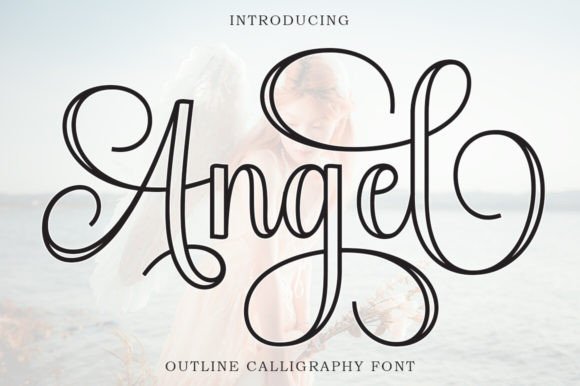
If you’re looking for a bolder interpretation of the same elegant handwriting, Angel Outline provides a striking counterpart. Its outlined form allows for creative layering, color fills, or even animation possibilities. This version is particularly useful when you want to draw attention to a phrase or when working with transparent or gradient backgrounds.
Angel Outline retains all the core characteristics of the original font but introduces new depth and dimensionality. It’s an excellent option for designers aiming to add a dramatic effect to logos, event banners, or promotional materials.
Combining Angel and Angel Outline
Using both versions side-by-side can yield impressive results. For example, a designer might apply Angel as the primary text and Angel Outline for accents or highlights. This layered approach creates a visually rich composition while maintaining the font family’s cohesive style.
How to Evaluate and Implement Angel
Before committing to Angel for a major project, take time to evaluate how it aligns with your goals. Here are a few steps to follow:
- Review Sample Text: Look at how Angel appears in different weights and with various glyphs. Check for consistency and legibility.
- Test in Context: Apply the font to mockups of your intended design to see how it interacts with images, colors, and other typographic elements.
- Assess Licensing: Confirm the font license allows for your specific usage—whether commercial, editorial, or web-based—to avoid legal complications.
- Optimize for Performance: If using Angel in a digital context, ensure it doesn't slow down loading times. Consider font subsets or optimized web formats.
Tools and Resources
Several design platforms simplify the use of Angel. Tools like Adobe Creative Cloud provide full access to its glyph library, while online editors like Canva allow for drag-and-drop simplicity. Additionally, many font foundries offer tutorials or sample kits to help you explore the font’s capabilities before purchase.
Final Thoughts on Angel
In today’s design landscape, typography is more than just a functional element—it’s a storytelling device. Angel offers a blend of artistry and usability that can transform ordinary designs into memorable ones. Whether you're an entrepreneur building your brand, a wedding planner crafting invitations, or a blogger enhancing your content, this font delivers the elegance and flexibility needed to stand out.
Its PUA encoding and thoughtful glyph set empower both amateur and professional designers to express creativity without technical hurdles. As long as you understand its best-fit scenarios and implement it wisely, Angel can become a valuable asset in your typographic toolkit.
Ready to bring a touch of refinement to your next project? Explore Angel and discover how it can elevate your designs with a timeless, handwritten charm.