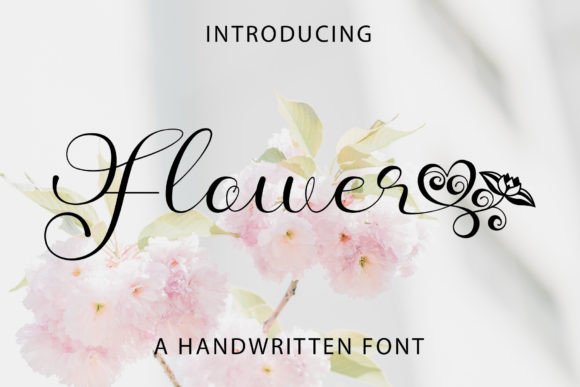
Flower Font: Elegance in Every Handwritten Stroke
Handwritten fonts have long been a favorite among designers and creatives for their ability to convey warmth, personality, and authenticity. Among the many options available today, Flower stands out as a uniquely stylish and elegant choice that adds a touch of sophistication to any design project. Whether you're creating a wedding invitation, a thank-you card, or a branding element, Flower brings an artistic flair that’s both eye-catching and versatile.
What Makes Flower Special?
Flower is more than just a decorative font—it's a carefully crafted typeface designed to mimic the natural flow and charm of handwritten text while maintaining a level of polish that makes it suitable for professional use. The font features a graceful script with subtle curves and ligatures that give it a timeless appeal. Its PUA encoding ensures that users can easily access all glyphs and alternate characters, making customization and creativity straightforward without requiring advanced typography skills.
Aesthetic Versatility
One of the most compelling reasons to choose Flower is its versatility across different design applications. For instance, when used on wedding invitations, it instantly elevates the tone, offering a romantic and personal feel that printed fonts often lack. Similarly, Flower shines in thank you cards, where the gentle, flowing style conveys sincerity and care. It’s also ideal for quotes and greeting cards, allowing your message to be presented in a way that feels intimate and thoughtful.
Who Can Benefit from Using Flower?
Professionals in the creative industries—such as graphic designers, marketers, bloggers, and small business owners—will find Flower particularly useful. Educators and publishers may also appreciate its ability to add a unique visual element to educational materials or promotional content. Additionally, entrepreneurs and brand strategists who want to create memorable logos or branding elements will benefit from using this font to craft a distinctive identity.
Consider a freelance designer tasked with creating a set of luxury product packaging for a boutique skincare line. By incorporating Flower into the label design, they can evoke a sense of craftsmanship and exclusivity. In contrast, a blogger looking to enhance the visual appeal of a post about mindfulness might use this font for pull quotes or headings to make their content more inviting and engaging.
Practical Benefits for Designers and Creators
The practical benefits of using Flower are numerous. First, its ease of use thanks to PUA encoding means that even those with limited typography experience can take full advantage of its character variations. This accessibility saves time and effort, especially for users who need to produce high-quality designs quickly without compromising on style.
Second, Flower supports creativity by providing a wide range of stylistic alternates. These allow designers to tailor the look of each letter to suit the specific needs of their project, ensuring a cohesive and visually appealing result. This feature is particularly helpful when working on branding projects where consistency and uniqueness are key.
Enhancing Communication Through Typography
Fonts play a crucial role in how messages are received. A well-chosen typeface can influence the reader's perception, mood, and engagement. Flower communicates elegance and thoughtfulness, which can be especially effective in marketing and publishing contexts. For example, a greeting card company could leverage Flower to differentiate itself from competitors by adding a handcrafted feel to their products, encouraging customers to view them as more personal and meaningful.
In the world of digital marketing, where attention spans are short, the right font can help capture interest at first glance. A blog post or social media graphic that uses Flower for headlines or call-to-action buttons can stand out in a sea of generic sans-serif or serif fonts, helping drive better engagement and interaction.
Use Cases That Highlight Flower's Strengths
- Wedding Invitations: The romantic and soft strokes of Flower are perfect for conveying the joy and intimacy of a wedding event. Its elegance fits seamlessly into traditional or modern wedding themes alike.
- Logo Design: Small businesses aiming to build a warm, approachable brand image can use Flower to craft logos that feel personal yet professional. Think of a flower shop, a boutique bakery, or a wellness studio—each can benefit from the font's refined aesthetic.
- Business Cards: Entrepreneurs in creative fields like photography, interior design, or fashion often use handwritten fonts to reflect their unique style. Flower allows for a polished yet expressive business card that leaves a lasting impression.
- Quotes and Social Media Content: Whether sharing motivational quotes or promoting a new product, Flower helps designers present information in a way that’s visually striking and emotionally resonant.
When to Consider Alternatives
While Flower is a powerful tool for many design scenarios, it’s important to consider whether it fits your specific needs. Decorative handwritten fonts like this one can sometimes be difficult to read at smaller sizes or in certain color combinations. If legibility is paramount—for example, in body text for a brochure or website copy—you may want to pair Flower with a complementary sans-serif or serif font for balance.
Additionally, if your project requires strict adherence to formal typography standards (such as legal documents or academic papers), then a more structured font would likely be a better fit. Always evaluate the context before choosing a decorative font to ensure it enhances rather than hinders the communication of your message.
How to Get Started with Flower
If you're intrigued by Flower and want to incorporate it into your next design, the process is straightforward. Start by downloading the font from a trusted source, such as a reputable font marketplace or the official site of the designer. Once installed, open your preferred design software—like Adobe Illustrator, Photoshop, or Canva—and select the font for your headline or title text.
To fully utilize its potential, explore the alternate glyphs and ligatures available through the PUA encoding. Many design tools allow you to toggle between standard and alternate characters using keyboard shortcuts or glyph panels. Experimenting with spacing, size, and color will help you discover how best to showcase Flower in your layout.
Tips for Maximizing Impact
- Use Sparingly: Because of its ornate nature, Flower works best when used for accents, headlines, or titles rather than large blocks of text.
- Pair Thoughtfully: Combine Flower with a clean, modern font to create contrast and guide the viewer’s attention effectively.
- Test Readability: Before finalizing a design, check how the font looks in print or on screen at different sizes and backgrounds.
Real-World Inspiration with Flower
Some real-world examples illustrate how Flower can elevate various projects. A local café used it for their seasonal menu headers, giving the printed material a cozy, artisanal feel that matched their brand identity. Another user, a lifestyle influencer, applied Flower to her Instagram story templates, resulting in higher engagement due to the fresh, personal aesthetic.
For educators, using Flower in classroom posters or student certificates can make learning materials feel more special and motivating. The font’s delicate beauty encourages a sense of celebration, which is especially valuable during events like graduation ceremonies or recognition programs.
Why Choose Flower Over Other Handwritten Fonts?
Many handwritten fonts on the market aim for either casual informality or dramatic flair, but Flower strikes a balance between the two. It offers enough stylization to stand out without being overly busy or distracting. Unlike some scripts that feel too playful or whimsical, Flower maintains a level of refinement that suits both personal and professional settings.
This careful equilibrium makes it a reliable choice for designers who want to add a handwritten touch without sacrificing professionalism. Whether you’re designing for a client or yourself, Flower gives you the flexibility to express creativity while still meeting quality expectations.
Conclusion
Typography is more than just selecting a font—it’s about finding the right voice for your message. Flower provides a beautiful and functional solution for those seeking to infuse elegance and a personal touch into their designs. From wedding stationery to branding projects, this font has the power to transform ordinary visuals into something truly memorable.
As with any design tool, the success of Flower depends on thoughtful application and understanding of its strengths and limitations. But for those who value both style and substance, it’s an excellent addition to their creative arsenal. Explore its possibilities, experiment with its features, and let your designs bloom with the right touch of artistry and grace.