Funky Funny Playful: Injecting Joy and Creativity into Design Workflows
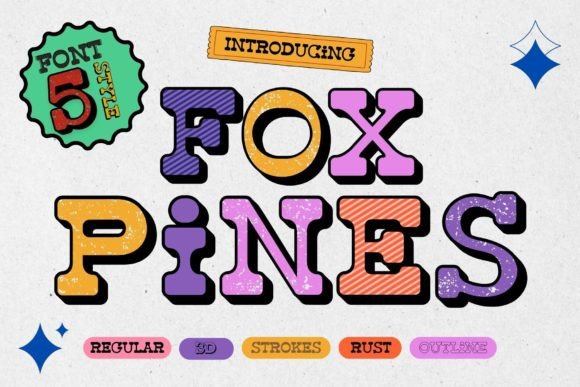
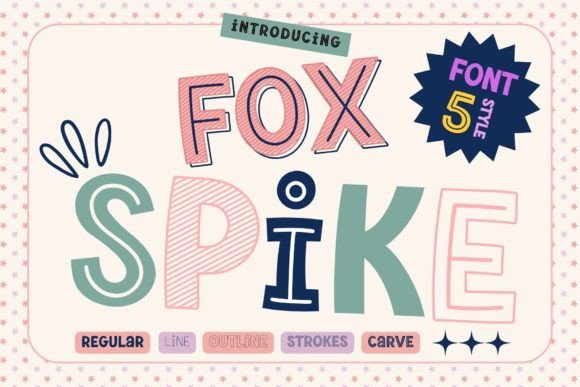
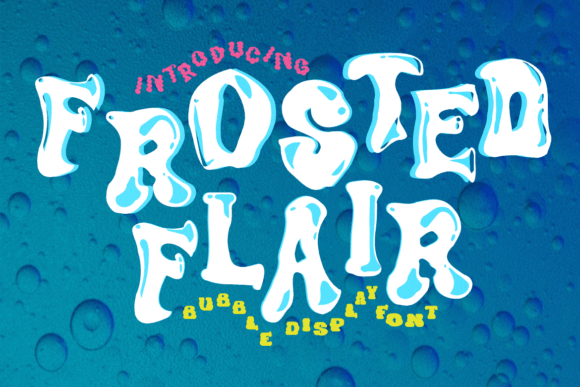
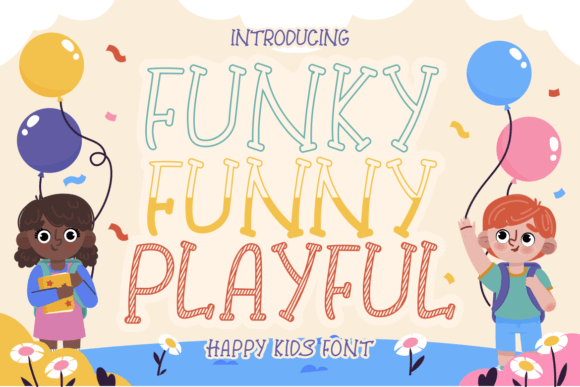
Fonts are more than just visual elements—they’re emotional triggers. When it comes to design, especially for audiences that value fun and engagement, the Funky Funny Playful font stands out as a powerful tool. Known for its bold colors, quirky shapes, and vibrant energy, this typeface is crafted to evoke the carefree spirit of youth. Whether you're designing a logo, creating marketing materials, or putting together a children's book, Funky Funny Playful can help you connect with your audience in a way that feels authentic and lively.
Understanding the Role of Funky Funny Playful in Design
The Funky Funny Playful font isn’t just another decorative typeface—it’s a strategic choice. It thrives in environments where creativity and joy are central themes. Its playful nature makes it ideal for projects targeting younger demographics or those aiming to inject humor and whimsy into their messaging. From branding concepts to educational tools, this font adds an element of delight that can significantly enhance user experience and brand recall.
When planning a design project, consider how typography contributes to the overall tone. For example, if you're working on a product aimed at kids, using Funky Funny Playful early in the design process ensures consistency across all touchpoints—from packaging to promotional materials. This proactive integration helps maintain a cohesive look and feel throughout the lifecycle of the project.
Pre-Project Planning: Setting the Tone with Typography
Before diving into any creative work, it’s essential to define your brand voice and visual identity. The Funky Funny Playful font can be part of this foundation. During the initial brainstorming phase, use it in mood boards or mockups to visualize how the playful aesthetic aligns with your goals. This step is crucial when presenting ideas to stakeholders or clients, as it sets clear expectations about the style and direction of the final product.
Consider these practical tips during pre-project planning:
- Define Use Cases: Identify which parts of your project will benefit most from the font’s energetic vibe—logos, headlines, illustrations, etc.
- Test Compatibility: Ensure the font works well with other design elements such as color schemes, imagery, and layout structures.
- Plan for Consistency: Decide how often and in what contexts the font will appear to maintain a unified brand message.
During the Project: Seamless Integration and Creative Execution
Once the project gets underway, integrating the Funky Funny Playful font into your workflow should be both intuitive and efficient. Whether you're using Adobe Illustrator, Canva, or Figma, ensure the font is installed correctly and accessible across platforms. Many designers choose to create reusable templates or component libraries to streamline the process and reduce repetitive adjustments.
Here’s how to make the most of it during execution:
- Layer with Other Fonts: Pair Funky Funny Playful with a clean sans-serif font like Montserrat or Open Sans to balance playfulness with readability.
- Use Sparingly but Effectively: While the font is eye-catching, overuse can lead to clutter. Apply it to key phrases or headings to maximize impact.
- Experiment with Color: The font is designed to pop in bold hues. Try combining different shades to add depth and visual interest without overwhelming the design.
For instance, when designing a poster for a children’s event, start by setting the main headline in Funky Funny Playful. Then, layer supporting text with a complementary font. This approach keeps the design engaging while ensuring clarity and legibility.
Post-Project Refinement: Ensuring Long-Term Usability
After completing a design, it’s important to evaluate how well the Funky Funny Playful font served its purpose. Did it resonate with the target audience? Was it easy to read and scalable across different mediums? These reflections help improve future workflows and decision-making around font usage.
Some useful post-project observations include:
- Tracking user feedback on designs featuring the font to gauge its effectiveness.
- Assessing performance metrics, such as engagement rates, when used in digital campaigns.
- Reviewing print quality to ensure vibrancy remains intact across various paper types and printing methods.
Maintaining Quality and Organization
Organizing your assets is key to long-term success. Create a dedicated folder for fonts and subfolders for each family or variation. If you frequently use Funky Funny Playful, consider adding it to your default design templates so it’s always available when needed. Also, keep track of licensing agreements to avoid legal issues down the line.
Real-World Applications and Workflow Examples
Let’s explore some real-world scenarios where the Funky Funny Playful font shines:
Branding and Business Materials
Entrepreneurs launching a toy company or a children’s apparel line can benefit from incorporating this font into their branding. A business card with a name in Funky Funny Playful immediately conveys the brand’s personality. When combined with a consistent color palette and imagery, it builds a strong, memorable identity.
Workflow Tip: Start by designing the logo in Funky Funny Playful, then apply the same font (or a similar one) to taglines, website headers, and social media posts. This creates a recognizable pattern that customers can easily associate with your brand.
Children’s Books and Educational Content
Educators and publishers looking to make learning enjoyable can use Funky Funny Playful to highlight key words, titles, or chapter headings. The font encourages curiosity and helps break up dense text, making educational materials more approachable for young readers.
Implementation Example: In a picture book about animals, use the font for animal names and action verbs to emphasize movement and excitement. Keep body text in a simpler font to maintain readability while still allowing the playful elements to stand out.
Marketing and Advertising Campaigns
Marketers aiming to engage families or promote events for kids can leverage the font’s ability to grab attention. Posters, banners, and even email subject lines can become more inviting when styled with Funky Funny Playful.
Case Study: A local carnival promoter used the font in their event posters and saw a 20% increase in attendance compared to previous years. The bold, colorful letters caught the eye of parents and children alike, effectively communicating the fun and festive atmosphere.
Collaboration and Cross-Platform Use
In team-based environments, communication is key. When collaborating with writers, illustrators, or developers, clearly specify where and how the Funky Funny Playful font should be used. Share font files securely and confirm that everyone has access to them before finalizing deliverables.
Additionally, test the font across multiple platforms to ensure compatibility. Web developers might need to convert it into a web-friendly format like WOFF or TTF, while print designers must verify that the font renders cleanly at high resolutions. Tools like Google Fonts or Adobe Typekit offer easy ways to manage font availability across digital and print channels.
Long-Term Use and Brand Evolution
As your brand or personal projects evolve, so too should your design choices. However, the Funky Funny Playful font can remain a core asset if it continues to reflect your values and mission. Regularly revisit your font strategy to see if it still aligns with your audience’s preferences and market trends.
Tip: Consider developing variations of the font for specific uses, such as a lighter version for background text or a bolder one for large-scale signage. This flexibility allows you to adapt the font to new formats without losing its signature charm.
Practical Tips for Everyday Use
Even casual users or hobbyists can integrate Funky Funny Playful into their daily routines. Here are a few simple suggestions:
- Invitations and Cards: Use the font for party invites, birthday cards, or thank-you notes to add a cheerful touch.
- Social Media Graphics: Apply it to Instagram stories, Facebook covers, or TikTok thumbnails for a more engaging presence.
- Craft Projects: Print custom labels, decorate notebooks, or create DIY stickers with this font for a personalized flair.
For educators and bloggers, the font can be a great way to present content in a more interactive manner. Think of it as a visual cue that signals fun learning or entertainment ahead. When paired with infographics or illustrated guides, it enhances the overall appeal and comprehension of the material.
Ensuring Accessibility and Readability
While the Funky Funny Playful font is visually appealing, it’s important not to sacrifice readability for aesthetics. Always test the font at different sizes and contrast levels to ensure it’s accessible to all users, including those with visual impairments. You might also consider using it in combination with icons or images to support understanding where necessary.
A few best practices include:
- Limit the use of all caps, as they can be harder to read in some playful fonts.
- Ensure sufficient spacing between letters and lines to avoid visual fatigue.
- Offer alternative text or descriptions for digital content where the font may be hard to decipher.
Conclusion: Making Every Project More Engaging
The Funky Funny Playful font is more than a stylistic choice—it’s a way to bring imagination and fun into your creative process. By thoughtfully integrating it into your workflow, you can enhance visual storytelling, build stronger connections with your audience, and maintain a consistent, joyful brand identity. As with any design tool, the key is to use it wisely, understand its strengths, and let it serve your message rather than overshadow it.
Whether you're a professional designer, a small business owner, or simply someone who wants to make their next project more engaging, Funky Funny Playful offers a unique opportunity to stand out. With proper planning, implementation, and maintenance, it can become a trusted part of your creative arsenal for years to come.