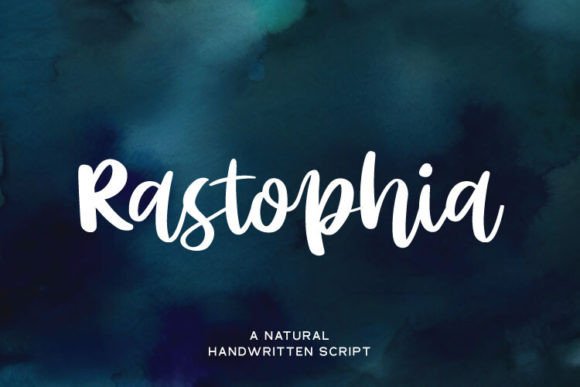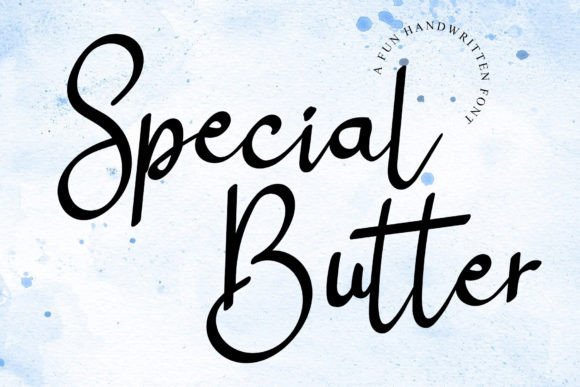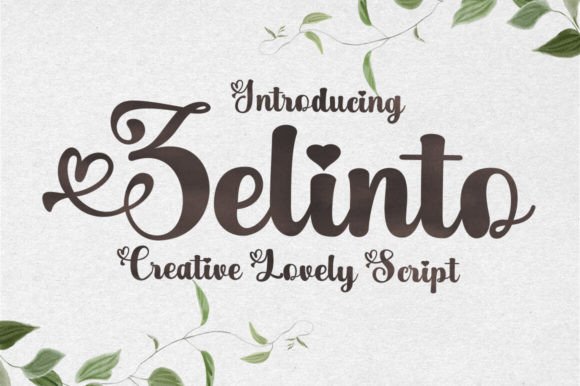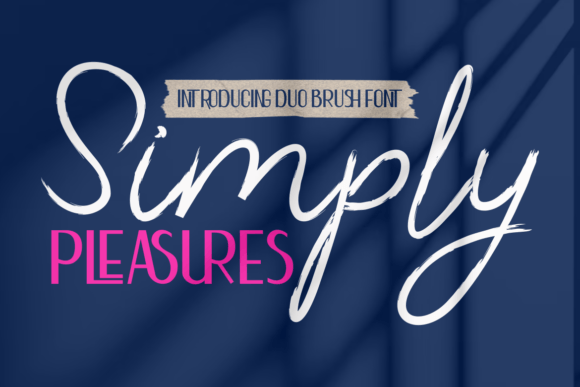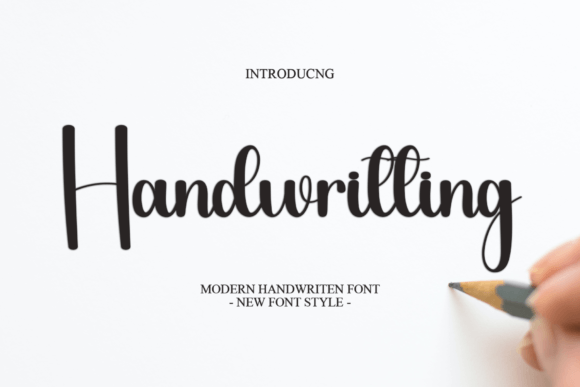
Handwritting Adds Charm to Design
There’s something undeniably special about the personal touch of handwriting. In a world dominated by digital communication, Handwritting offers a refreshing return to authenticity and elegance. Whether you're crafting a wedding invitation, designing a business card, or creating a motivational quote for social media, Handwritting can elevate your work with warmth and character that automated tools simply can't replicate.
Why Handwritting Matters in Modern Design
Handwriting isn’t just about aesthetics—it’s about connection. The human element embedded in each stroke conveys sincerity, creativity, and individuality. For professionals like marketers, entrepreneurs, educators, and small business owners, this emotional resonance can be a powerful differentiator. A thank-you note signed with Handwritting feels more genuine than one typed out, and a logo infused with handwritten script can create a memorable brand identity.
Handwritting is particularly valuable when the goal is to evoke emotion or build trust. Think of how a child’s birthday card becomes even more meaningful when it includes their name written in a parent's hand. Or consider how a greeting card from a client makes an impression when they see your signature instead of a generic font. These subtle details matter more than you might expect in both personal and professional settings.
The Emotional Impact of Handwritten Elements
Studies have shown that handwritten content activates different parts of the brain compared to typed text, making it more memorable and emotionally engaging. This makes Handwritting especially effective in creative fields such as publishing, graphic design, and branding. When you add a handwritten signature or note to a design, you’re not just enhancing its appearance—you're deepening the relationship between the message and the reader.
Practical Benefits of Using Handwritting in Your Projects
Handwritting brings unique advantages across various industries and applications. Here are some ways it can help you achieve better results:
- Improved Communication: Personalized notes using Handwritting feel more intimate and sincere, making them ideal for networking, customer relations, and event planning.
- Enhanced Creativity: Integrating Handwritting into designs allows for greater artistic expression and originality, setting your work apart in a crowded market.
- Stronger Brand Identity: Businesses that use Handwritting in logos or promotional materials often appear more approachable and trustworthy.
- Time Efficiency: With digital Handwritting tools, you can generate elegant handwritten elements quickly without compromising on quality.
- Memorable Presentation: Handwritten touches make printed and digital materials stand out, whether it’s a thank-you card or a product label.
Use Case: Wedding Invitations That Leave a Lasting Impression
Wedding invitations are among the most cherished pieces of stationery, and many couples now choose to incorporate Handwritting to give them a timeless look. A digitally generated invitation featuring Handwritting adds a sense of tradition and romance while maintaining modern convenience. It allows planners to produce hundreds of personalized invites efficiently without sacrificing charm.
This technique is also popular in save-the-dates, place cards, and thank-you notes. Each item benefits from the added warmth of a handwritten style, helping guests feel personally invited rather than mass-communicated to.
Use Case: Strengthening Client Relationships with Thank You Cards
Professionals in sales, consulting, and real estate often rely on thank-you cards to maintain rapport with clients. By using Handwritting, these cards become more impactful. Clients appreciate the effort and attention to detail, which can reinforce loyalty and encourage future business. Even a simple “Thank you for your support” feels more heartfelt when presented in a handwritten format.
Who Can Benefit Most from Handwritting?
Handwritting appeals to a wide range of users, but it’s especially beneficial for those who value authenticity and creativity. Educators may find it useful for student awards or certificates, adding a personal flair that students will treasure. Bloggers and content creators can enhance quotes and captions with Handwritting to boost engagement and visual appeal.
Entrepreneurs launching new brands often turn to Handwritting for packaging, labels, or promotional materials. It gives them a distinct edge in a competitive landscape where standing out is essential. Freelancers and small business owners can also benefit from using Handwritting in proposals, contracts, or correspondence to create a more personable image.
Handwritting in Business and Marketing
In marketing, consistency is key, but so is differentiation. Handwritting introduces a soft yet compelling contrast to sleek, modern typography. Consider a coffee shop that uses Handwritting in its menu board or signage—this creates a cozy, artisanal vibe that attracts customers seeking a more authentic experience.
For startups and boutique businesses, Handwritting can be a cost-effective way to convey professionalism and personality simultaneously. It’s versatile enough to fit into luxury branding or casual retail environments, depending on the execution and context.
How to Incorporate Handwritting into Your Designs
Integrating Handwritting into your projects doesn’t require advanced skills. There are several user-friendly methods available today:
- Digital Tools: Software like Adobe Illustrator, Photoshop, or online platforms allow you to import Handwritting fonts and apply them to text layers with ease.
- Scan Real Handwriting: If you prefer your own writing style, scan your handwritten notes and use them as vector graphics or textures in your design software.
- Collaborate with Calligraphers: Many designers partner with skilled calligraphers to create custom Handwritting styles tailored to their brand or event.
These approaches let you enjoy the charm of Handwritting without spending hours learning to write beautifully by hand. Just ensure the style complements your overall design and remains legible when used in practical contexts like addresses or short messages.
Realistic Recommendations for Everyday Use
If you're a marketer looking to refresh your email campaigns, try incorporating Handwritting in subject lines or signature blocks. It adds a friendly tone that can increase open rates and response times.
Freelancers and consultants might use Handwritting in project proposals or client updates to soften the tone and show appreciation. Educators can personalize feedback or classroom posters to foster a more engaging environment.
Even bloggers and content creators can benefit by using Handwritting in pull quotes or post titles, giving their site a more inviting and curated feel.
When to Choose Handwritting Over Other Styles
While Handwritting is incredibly versatile, it’s not always the best choice. It works best in situations where the message is short, the audience values personalization, and the design needs a warm, human touch. For long-form content or data-heavy presentations, clean, readable fonts are usually more appropriate.
Consider the purpose before deciding to use Handwritting. Does the project require clarity above all else? Or would it gain more from a sense of intimacy? Answering this question helps determine if Handwritting is the right fit.
Fit Considerations for Different Industries
Handwritting fits naturally into creative industries like fashion, food, and lifestyle, where aesthetic appeal is central. However, in sectors like finance or legal services, where precision and professionalism are paramount, it should be used sparingly and only in non-critical sections, such as thank-you notes or branded swag.
Another consideration is accessibility. While Handwritting can be beautiful, it may not always be easy to read. Always test your chosen style for readability, especially when it appears in smaller sizes or on screens with varying resolutions.
Overcoming Limitations and Choosing the Right Style
One challenge with Handwritting is ensuring consistency across multiple documents or designs. If you're using a scanned version of your handwriting, slight variations can occur, which may detract from the professional look you want to achieve. To overcome this, consider using high-quality Handwritting fonts or working with a professional calligrapher to standardize the style.
Also, not all Handwritting styles suit every design. Some may look too casual for formal invitations, while others may lack the elegance needed for branding materials. It’s important to experiment with different options or consult with a designer to find the perfect match for your project.
Comparing Options for Best Results
When choosing Handwritting for your next project, take time to compare fonts or samples. Look for ones that balance beauty with legibility. Some digital tools offer customizable options, allowing you to adjust spacing, size, and weight to match your brand’s tone.
You might also explore hybrid designs—combining Handwritting with clean, modern fonts—to strike a balance between creativity and clarity. This approach is especially effective in logos and website headers, where visual interest meets functionality.
Handwritting in Everyday Life and Small Business
Small business owners often underestimate the power of Handwritting in building customer relationships. From handwritten tags on handmade products to custom thank-you notes sent after a sale, these small gestures can significantly enhance the customer experience.
Imagine running a boutique store and including a handwritten note with each purchase. Not only does it make customers feel valued, but it also reinforces the craftsmanship and care behind your products. This kind of attention to detail builds brand loyalty and encourages word-of-mouth referrals.
Similarly, educators can use Handwritting to highlight student achievements or provide encouraging feedback. A certificate with a teacher’s handwritten note can inspire confidence and pride in students, reinforcing the value of their hard work.
A Thoughtful Touch in Creative Projects
Designers often use Handwritting to add texture and depth to minimalist layouts. It can serve as a focal point in otherwise clean compositions, drawing the viewer’s eye and creating a sense of narrative. This is why Handwritting is frequently found in book covers, poetry collections, and art portfolios.
Moreover, Handwritting supports storytelling. Whether you're illustrating a children’s book or creating a motivational poster, the handwritten elements help convey a more organic and relatable message. This is especially true in wellness, spirituality, and lifestyle niches, where authenticity is highly valued.
Conclusion: Let Handwritting Enhance Your Message
Handwritting isn’t just a decorative flourish—it’s a tool for meaningful communication. It bridges the gap between digital efficiency and human connection, offering a unique blend of charm and elegance. From wedding invitations to business cards, it has the ability to transform ordinary designs into unforgettable experiences.
By understanding when and how to use Handwritting effectively, you can unlock new levels of creativity and impact in your work. Whether you’re a hobbyist experimenting with greeting cards or a professional refining your brand’s visual identity, Handwritting provides a timeless solution that resonates with audiences on a deeper level.