Imagination: A Handwritten Font for Creative Impact
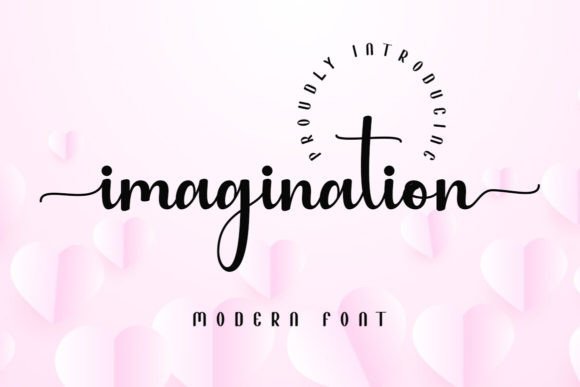
Fonts play a subtle yet powerful role in how we perceive and interact with content. The right typeface can elevate a design from good to unforgettable, adding character, emotion, and visual storytelling. Imagination is a handwritten font that stands out not only for its aesthetic appeal but also for its versatility across various applications. Whether you're designing a logo, branding materials, or even a motivational quote, Imagination brings a personal touch that resonates with audiences.
What Makes Imagination Unique?
At first glance, Imagination feels like the work of an artist’s hand—each letter flows naturally, evoking warmth and creativity. It's crafted with attention to detail, making it ideal for both short text and longer passages. As a PUA-encoded font, Imagination ensures easy access to all its glyphs and ligatures, allowing designers to customize their projects without technical hurdles.
Ease of Use and Customization
One of the standout features of Imagination is its PUA encoding, which means you can use advanced characters through your design software without requiring complex scripts or additional tools. This makes it accessible for beginners while still satisfying more experienced typographers who want to experiment with special symbols, alternate characters, or stylistic sets.
Why Choose Imagination for Your Projects?
Handwritten fonts often struggle to balance style with readability, but Imagination manages to do both. Its clean lines and organic flow make it suitable for a wide range of uses, from elegant branding to casual social media posts. Here are a few reasons why this font might be perfect for your next project:
- Personalized Aesthetic: Adds a human element to digital and print designs.
- Professional Flexibility: Works well in logos, websites, packaging, and more.
- High Legibility: Maintains clarity even at smaller sizes.
- Emotional Appeal: Conveys warmth, sincerity, and creativity.
Real-World Applications of Imagination
Imagination isn’t just another decorative font—it’s a tool that can enhance communication and engagement in meaningful ways. Let's explore some practical scenarios where it shines:
Branding and Logos
In the world of branding, consistency and memorability are key. A unique font like Imagination can help your brand stand out by offering a signature look that feels authentic and approachable. It’s especially effective for businesses in creative fields such as art, fashion, wellness, and education.
Example: A boutique clothing store might use Imagination for its logo and taglines to give customers a sense of individuality and craftsmanship. Pairing it with minimalist design elements can highlight the font’s elegance and make the brand feel more connected to its audience.
Quotes and Motivational Content
Whether you're creating printable quotes for Instagram, Pinterest, or a blog post, Imagination adds a personal and heartfelt tone. Its flowing nature mimics natural handwriting, making it ideal for inspirational messages or literary works.
Use Case: Bloggers and content creators can use Imagination to display featured quotes or pull-outs, increasing visual appeal and reader connection. When used sparingly and thoughtfully, it can turn simple text into a memorable focal point.
Print Materials and Merchandise
From business cards to tote bags, Imagination adapts beautifully to print formats. Its soft curves and legible structure ensure that your message remains clear and visually appealing on physical products.
Observation: On merchandise like T-shirts or mugs, the font adds a touch of personality without overwhelming the design. For entrepreneurs selling handmade or artisanal goods, using Imagination can reinforce the authenticity of their brand.
Digital Design and Websites
Web designers often seek fonts that blend creativity with functionality. While many handwritten styles can be too whimsical for online interfaces, Imagination strikes the right balance. It looks great on headers, call-to-action buttons, and even body text when styled appropriately.
Recommendation: Consider using Imagination for hero sections or landing page headlines. Its presence can evoke trust and creativity, making it particularly effective for sites focused on lifestyle, design, or personal development.
Education and Publishing
Teachers, authors, and educators can benefit from Imagination in lesson plans, book covers, and educational materials. The font gives a gentle and inviting vibe, encouraging readers to engage with the content.
Application Tip: For book covers or children’s educational resources, pair Imagination with complementary sans-serif or serif fonts to maintain readability while enhancing visual interest.
Practical Benefits of Using Imagination
Beyond its visual charm, Imagination offers several functional advantages that make it a smart choice for professionals and hobbyists alike:
- Enhanced Brand Identity: Stand out with a font that reflects creativity and care.
- Improved User Experience: In web and app design, a friendly font can reduce cognitive load and increase engagement.
- Time-Saving Workflow: With built-in ligatures and glyph variations, you can streamline your design process and avoid manual adjustments.
- Consistency Across Platforms: Thanks to its high-quality rendering, Imagination maintains its integrity whether viewed on screen or printed on paper.
Choosing the Right Context for Imagination
While Imagination is versatile, it's important to consider the context before applying it. Not every project needs a handwritten font, and using it incorrectly can dilute your message. Here are a few tips to guide your decision:
- Use it in situations where a personal, artistic, or emotional tone is desired.
- Avoid using it for long paragraphs of body text unless paired with a more readable secondary font.
- Test it in different colors and backgrounds to ensure it remains legible and impactful.
- Consider the target audience—handwritten fonts tend to resonate more with younger demographics or niche markets.
Color and Contrast Considerations
Because Imagination has a softer, more fluid appearance, it’s best used in contrast against bold or neutral backdrops. Darker shades like navy blue or black typically provide the clearest visibility, but experimenting with muted pastels or gradients can yield stunning results for more artistic purposes.
How to Get the Most Out of Imagination
To maximize the effectiveness of Imagination, here are a few strategies you can follow:
- Layer It Thoughtfully: Combine it with other fonts to create a balanced hierarchy. For instance, use it for headings and switch to a clean sans-serif for body copy.
- Play with Spacing: Adjust letter spacing slightly to enhance readability and visual rhythm, especially in larger displays like banners or posters.
- Utilize Ligatures and Glyphs: Take advantage of its full character set to add subtle details and visual variety without complicating the layout.
- Test in Real Environments: Before finalizing any design, preview how the font appears on different screens and in print to ensure it meets your expectations.
Final Thoughts on Imagination
Imagination is more than just a font—it’s a design partner that helps bring ideas to life with grace and originality. Whether you’re crafting a logo, writing a blog post, or designing custom merchandise, this font can infuse your work with a sense of authenticity and creativity that modern audiences crave.
By understanding its strengths and limitations, you can apply Imagination in a way that enhances your message rather than distracting from it. So go ahead, let your imagination run wild—and let this font help you express it beautifully.