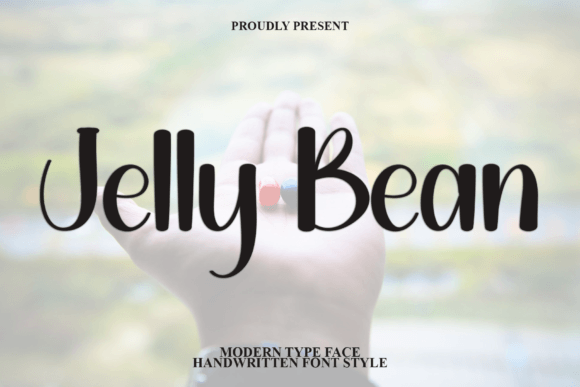
Jelly Bean: The Elegance of Handwritten Typography in Modern Design
In the world of typography, finding a font that balances style and functionality can be challenging. Jelly Bean is a script font that rises to this challenge with grace. Designed to emulate the beauty of a handwritten style, it offers a unique blend of elegance, readability, and charm. Whether you're crafting a wedding invitation, designing a logo, or creating a personalized thank you card, Jelly Bean brings a refined and artistic touch to your work.
What Makes Jelly Bean Unique?
Jelly Bean stands out for its fluid, cursive strokes and subtle variations in line weight. This gives it a natural, organic feel while maintaining a polished appearance. Unlike many script fonts that can appear too casual or difficult to read, Jelly Bean strikes a perfect balance between formality and approachability. Its letters flow smoothly, making it ideal for both short phrases and longer text when used appropriately.
The font's name may suggest something playful, but its design tells a different story—Jelly Bean is all about sophistication and class. It’s often compared to traditional calligraphy but has been optimized for digital use, ensuring crisp rendering on screens and in print alike.
Common Challenges in Script Font Selection
When choosing a script font, designers often face several challenges:
- Readability vs. Aesthetics: Many script fonts sacrifice legibility for visual appeal, especially in condensed or overly stylized forms.
- Consistency Across Platforms: Some fonts don’t render well across different devices or operating systems, leading to inconsistencies in design presentation.
- Matching Brand Tone: Finding a script font that aligns with a brand’s personality—whether it's classic, modern, whimsical, or formal—can be tricky.
- Overuse and Saturation: Script fonts are popular, so standing out with something fresh yet timeless is essential.
Jelly Bean addresses these concerns by offering a clean, consistent design that remains highly legible even at smaller sizes. Its versatility allows it to adapt to various contexts without losing its character, making it a reliable choice for professionals who want to maintain quality and impact in their designs.
Why Jelly Bean Works for Wedding Invitations and Greeting Cards
Wedding invitations and greeting cards often require a personal and romantic touch. Traditional fonts may come off as impersonal, while overly decorative scripts can be hard to decipher. Jelly Bean bridges this gap by providing a warm, elegant aesthetic that feels handcrafted but doesn’t compromise clarity.
For wedding invitations, Jelly Bean adds an air of sophistication. Its soft curves and flowing lines evoke a sense of intimacy and celebration. When paired with a complementary sans-serif font for details like dates and locations, it creates a visually appealing contrast that enhances the overall design.
Greeting cards also benefit from Jelly Bean’s gentle and inviting style. Whether the theme is birthday, anniversary, or holiday, the font lends itself to heartfelt messages and beautiful layouts. It’s particularly effective when combined with watercolor backgrounds or floral illustrations, enhancing the creative harmony of the piece.
Business Use: Logos and Branding with Personality
While Jelly Bean shines in personal design projects, it’s equally valuable in branding and business contexts. Small businesses, especially those in the lifestyle, wellness, or creative industries, can use Jelly Bean to craft logos that feel authentic and human. It conveys warmth and trust, which are crucial for building strong customer relationships.
However, using a script font in a business setting requires careful consideration. Jelly Bean should typically be reserved for names, taglines, or other non-body text elements. For body copy or menus, it’s best to pair it with a more structured typeface to ensure readability and professionalism.
Consider a boutique bakery looking to create a logo that reflects its artisanal roots. Using Jelly Bean for the shop’s name alongside a minimalist sans-serif for the tagline would create a balanced look—one that feels both personal and professional. This duality helps establish a memorable identity without overwhelming the audience.
Quotes and Social Media Content
In today’s content-driven world, quotes play a significant role in engagement and storytelling. Jelly Bean is an excellent choice for quote design due to its expressive nature and visual appeal. It works particularly well in social media posts where attention-grabbing visuals are key.
Designers can use Jelly Bean to highlight motivational sayings, poetry, or promotional captions. The font’s soft edges and graceful curves make it feel welcoming and sincere, encouraging viewers to pause and reflect. To maximize impact, consider using contrasting colors or subtle shadows to enhance the font’s presence against busy backgrounds.
How Different Users Can Approach Jelly Bean
Jelly Bean is a versatile tool, but how it’s used can vary depending on the user’s needs and expertise:
- Graphic Designers: May use Jelly Bean as part of a multi-font system to add typographic interest and hierarchy to a layout.
- Small Business Owners: Can incorporate it into branding materials like packaging, signage, or marketing collateral to convey a personal, artisanal vibe.
- Event Planners: Will appreciate its ability to elevate event-related designs such as place cards, programs, and signage with minimal effort.
- Content Creators: Might use it in blog headers, YouTube intros, or Instagram stories to stand out and express creativity.
Each of these users can tailor Jelly Bean to suit their specific goals. For instance, an event planner might prefer a lighter version of the font for delicate paper goods, while a content creator could opt for a bolder variant to ensure visibility on mobile screens.
Practical Applications and Outcomes
Jelly Bean isn’t just another pretty font—it’s a practical solution for designers seeking to infuse emotion and elegance into their work. Here are some real-world applications and the outcomes they can achieve:
- Wedding Stationery: Creates a romantic and personalized feel, helping couples express their unique style through typography.
- Logo Design: Adds a human element to logos, making brands more relatable and memorable.
- Business Cards: Elevates the visual appeal of contact information, leaving a lasting impression on clients and partners.
- Thank You Cards: Offers a heartfelt and stylish way to express gratitude, whether for gifts, support, or special events.
- Social Media Graphics: Increases engagement with eye-catching, aesthetically pleasing text that draws the viewer in.
One thing to note is that while Jelly Bean is adaptable, it’s not suitable for every project. It thrives in situations where a handwritten or semi-formal tone is appropriate. Avoid using it for legal documents, technical manuals, or any context requiring strict readability and uniformity.
Recommendations for Best Use
To get the most out of Jelly Bean, here are a few recommendations:
- Use it Sparingly: Reserve Jelly Bean for headlines, titles, and accents rather than large blocks of text.
- Pair Thoughtfully: Combine it with a clean, geometric sans-serif or a classic serif font to maintain visual balance and readability.
- Experiment with Color: Try soft pastels or metallic tones to enhance the luxurious feel of the font.
- Test on Multiple Devices: Ensure that the font looks sharp and clear across different platforms and screen resolutions.
- Stay Consistent: If using Jelly Bean in branding, apply it consistently across all touchpoints to reinforce recognition and cohesion.
By following these guidelines, you can ensure that Jelly Bean contributes positively to your design rather than detracting from it. It’s a font that invites connection, so using it intentionally will help you communicate your message more effectively.
Considerations for Implementation
Before implementing Jelly Bean into your design projects, consider the following factors:
- License Type: Verify the licensing terms if you plan to use it for commercial purposes or distribute it publicly.
- Font Weight Options: Check if the font includes multiple weights (e.g., light, regular, bold) to match your design needs.
- Character Set: Ensure the font supports the characters and languages you need for your project.
- Technical Compatibility: Confirm that Jelly Bean works seamlessly with your design software and web development tools.
- Contextual Fit: Consider whether the tone and style of the font align with the intended message and audience.
These considerations help avoid potential pitfalls and ensure a smooth implementation process. Taking the time to understand the font’s capabilities and limitations will lead to better design decisions and stronger outcomes.
Final Thoughts on Incorporating Jelly Bean
Jelly Bean is more than just a font—it’s a design solution for those who want to bring warmth, elegance, and personality to their creations. Whether you’re working on a high-end wedding suite or a cozy café logo, it provides a timeless and expressive option that stands out without being overdone.
As with any tool, the effectiveness of Jelly Bean depends on how thoughtfully it’s used. By understanding its strengths and applying it strategically, you can elevate your designs and connect more deeply with your audience. So next time you’re looking for a script font that feels both stylish and trustworthy, give Jelly Bean a try. Its combination of beauty and utility makes it a standout choice in any designer’s toolkit.