Disney Font: A Timeless Design for Modern Applications
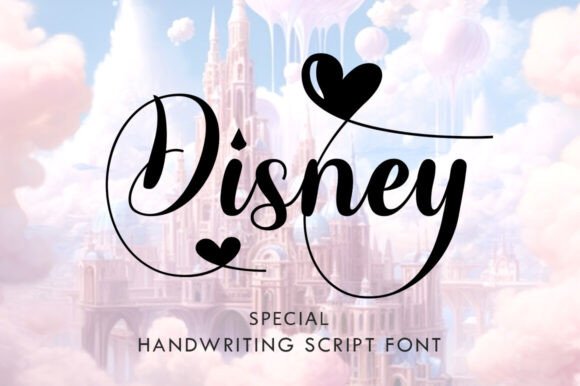
The Disney font is a distinctive and widely recognized typeface that has become synonymous with the brand's identity. Originally developed to reflect the whimsical, imaginative, and magical essence of The Walt Disney Company, this font has evolved into a versatile design tool used across various industries and creative projects. Its clean, bold lines and stylized characters make it instantly recognizable and highly adaptable for both digital and print media.
What Is the Disney Font?
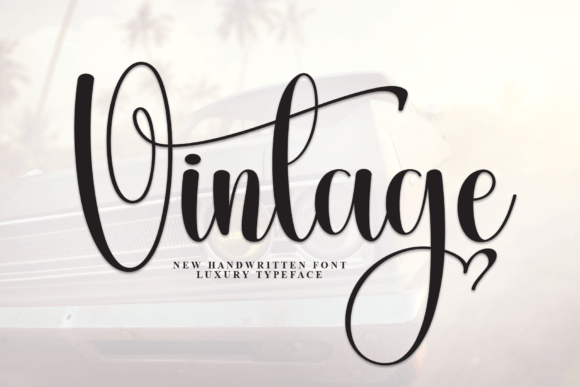
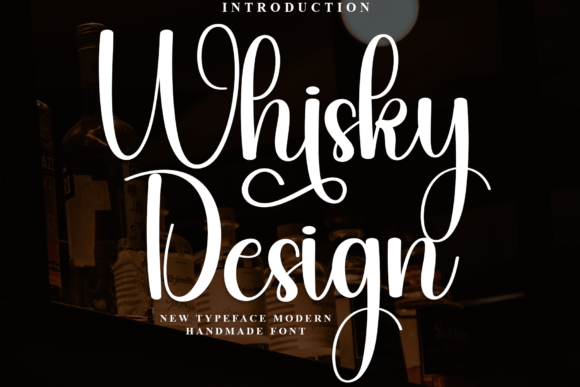
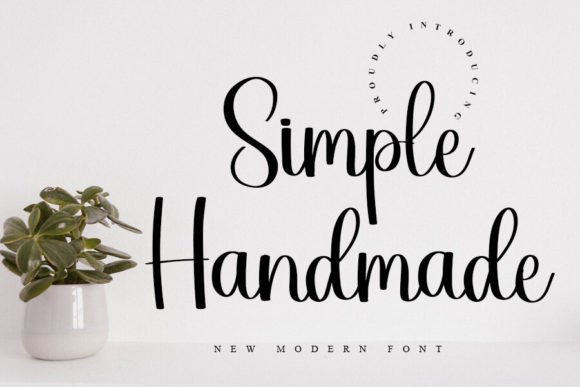
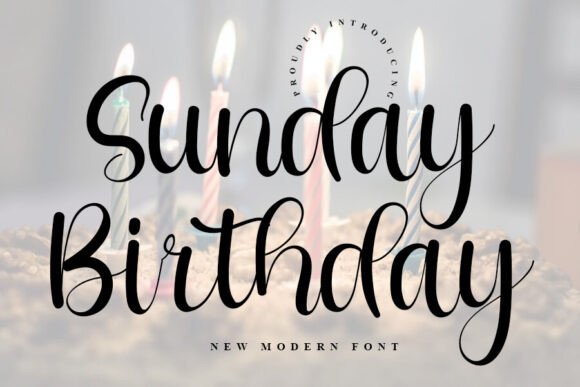
The Disney font is not a single typeface but rather a collection of fonts that have been officially associated with the Disney brand over the years. These include variations like Walt Disney Script, Disney Brush, and Disney Bold, each serving different stylistic purposes while maintaining a cohesive visual language. The most commonly referenced Disney font is the one used in classic movie titles such as The Lion King, Mulan, and Aladdin. It blends hand-drawn charm with professional typography, making it ideal for branding and promotional materials.
Why People Are Interested in the Disney Font
Many designers and business owners are drawn to the Disney font because of its emotional resonance and broad appeal. It evokes nostalgia, joy, and a sense of wonder—qualities that align well with entertainment, lifestyle, and family-oriented ventures. Additionally, its unique character makes it stand out in a sea of generic fonts, helping businesses and individuals create memorable visuals.
People also appreciate the font’s flexibility. Whether you're designing a wedding invitation or creating a logo for a new theme park, the Disney font can be tailored to suit different aesthetics and needs. Its popularity has led to numerous recreations and adaptations by third-party developers, allowing users to access similar styles even without official licensing.
Benefits of Using the Disney Font
- Brand Recognition: Incorporating the Disney font into your project can help establish an immediate connection with audiences who recognize and associate it with quality, creativity, and fun.
- Versatility: This font works well across a wide range of applications, including logos, invitations, posters, and apparel. Its adaptability ensures it remains effective in both large-scale and small-format designs.
- Visual Appeal: The Disney font combines elegance with a playful touch, making it suitable for both formal and informal contexts. Its hand-drawn qualities give it a personal feel, which is especially valuable in event planning and product branding.
- Emotional Impact: As a symbol of childhood memories and fantasy, using the Disney font can evoke positive emotions and create a sense of familiarity among viewers.
Tradeoffs and Considerations
While the Disney font offers many advantages, there are several factors to consider before incorporating it into your work:
- Licensing Restrictions: The original Disney fonts are trademarked and may require special permission or licensing for commercial use. Unauthorized use could lead to legal complications, particularly if you're working on a large-scale or revenue-generating project.
- Readability Concerns: Some versions of the Disney font, especially the script-style variants, may not be as legible at smaller sizes. This can be problematic for text-heavy designs like menus, labels, or body copy in publications.
- Overuse Risk: Because of its widespread recognition, the Disney font might come off as cliché if used inappropriately or excessively. It’s important to ensure that it complements your overall design rather than overshadowing it.
- Design Compatibility: Not all design styles will pair well with the Disney font. It tends to work best in contexts that aim for a warm, nostalgic, or youthful tone. In more serious or minimalist designs, it may clash with the intended message.
Situations Where the Disney Font Excels
The Disney font is particularly well-suited for the following scenarios:
- Wedding Invitations and Stationery: Its elegant yet whimsical style adds a touch of magic to wedding themes, especially those centered around fairy tales or fantasy elements.
- Theme Parks and Event Branding: Businesses related to entertainment, amusement parks, or children's events often find the Disney font enhances their brand image and attracts the right audience.
- Product Packaging and Brand Names: For products aimed at kids or families, the Disney font can create a sense of excitement and trustworthiness.
- Merchandise and Apparel: T-shirts, mugs, and other merchandise benefit from the font’s bold and eye-catching appearance, which encourages engagement and memorability.
- Banners and Billboards: The font’s high visibility and strong visual presence make it a great choice for outdoor advertising and signage where impact is key.
When Alternatives Might Be Better
Despite its strengths, the Disney font isn’t always the best option. Here are some situations where alternative fonts might serve your purpose better:
- Professional or Corporate Contexts: If your project requires a more mature or traditional aesthetic, consider using fonts like Helvetica, Times New Roman, or Arial for a polished look.
- Legibility-Heavy Projects: For documents such as reports, books, or websites that rely on clear readability, choose a sans-serif or serif font designed for long-form text.
- Modern Minimalist Designs: Clean, geometric fonts like Montserrat or Lato are often preferred for contemporary, sleek designs where the Disney font’s ornate style could appear outdated.
- International Audiences: While the Disney font is globally recognized, it may not resonate as strongly with audiences unfamiliar with Western pop culture or Disney films. In these cases, culturally neutral or localized fonts might be more effective.
Practical Insights for Choosing the Right Font
Selecting the right font involves more than just finding something visually appealing. Consider the following tips when evaluating whether the Disney font is the best fit for your project:
- Define Your Audience: Think about who will see your design. Will they respond positively to the nostalgic or playful nature of the Disney font? Or do they expect something more modern or professional?
- Consider the Purpose: What is the primary function of your design? If it's to convey information clearly, prioritize readability. If it's to evoke emotion or brand identity, the Disney font could be an excellent choice.
- Test Different Uses: Before finalizing the font, test it in various formats and sizes. Does it maintain clarity and consistency across platforms? How does it interact with colors and images in your layout?
- Evaluate Licensing Options: If you plan to use the Disney font commercially, research licensing agreements or explore free and open-source alternatives that mimic its style.
Alternatives to the Disney Font
If the Disney font doesn't quite meet your needs or licensing constraints, here are a few alternatives that offer similar characteristics:
- Brush Script MT: A script font that shares the flowing, handwritten feel of the Disney font but is more widely available.
- Great Vibes: A free Google Fonts option that captures the whimsical spirit of Disney’s signature typefaces.
- Parisienne: Another script font that provides a soft, romantic look, perfect for weddings and similar events.
- Yellowtail: A bold, rounded script font that mirrors the playful energy of Disney’s iconic styles.
Conclusion: Making an Informed Decision
The Disney font is a powerful design element with a rich history and emotional appeal. When used thoughtfully, it can enhance the visual storytelling of your project and connect with audiences on a deeper level. However, it's essential to weigh its benefits against potential drawbacks, especially regarding licensing and readability.
Before committing to the Disney font, ask yourself whether it aligns with your brand’s personality, your audience’s expectations, and the practical requirements of your design. If it does, you’ll likely find it to be a valuable addition to your typographic toolkit. If not, there are many excellent alternatives that can deliver similar impact without compromising your goals.