Vintage Font: A Timeless Script for Modern Design
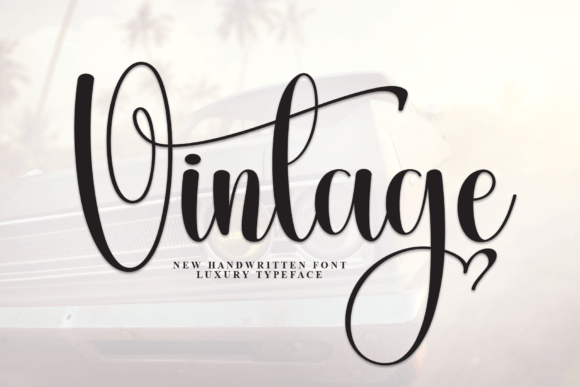
Vintage is a script font that exudes charm, elegance, and a sense of nostalgia. Its handwritten style brings warmth and sophistication to any design project, making it an appealing choice for creatives who want to add a personal touch without sacrificing professionalism. Whether you're designing wedding invitations, branding materials, or editorial content, Vintage stands out as a versatile option with broad appeal and practical functionality.
Handwritten Elegance Meets Professional Use
Script fonts often walk a fine line between artistic flair and legibility, but Vintage manages to strike the right balance. It’s not just another ornate typeface; its structure is refined enough to maintain readability even at smaller sizes, which is essential for many real-world applications. The flowing curves and subtle variations in stroke width give it a natural, human feel while still holding up well in print and digital formats alike.
What sets Vintage apart is its ability to convey both formality and intimacy. This duality makes it particularly effective in designs where a warm tone is needed alongside visual impact—such as luxury brand logos, personalized thank-you cards, or motivational quotes. Its character shapes are neither too playful nor overly stiff, which contributes to its wide usability across different industries and audiences.
Key Features of the Vintage Font
- Legible Script: Unlike many decorative scripts, Vintage retains a level of clarity that allows it to function effectively in professional contexts.
- Elegant Kerning: The spacing between characters has been carefully crafted to ensure each letter flows smoothly into the next, enhancing overall aesthetics and readability.
- Stylish Ligatures: The inclusion of ligatures adds a polished look, especially when used in longer passages of text like captions or headlines.
- Cross-Platform Compatibility: Designed for both desktop and web use, Vintage integrates seamlessly into major design tools such as Adobe Photoshop, Illustrator, and InDesign, as well as online platforms and coding environments.
- Customizable Weights and Styles: Many versions of Vintage come with multiple weights (light, regular, bold) and styles (italic, condensed), offering flexibility for varied typographic needs.
Real-World Applications and Performance
In practice, Vintage performs exceptionally well in a range of scenarios. For instance, it works beautifully on wedding invitations, where its romantic and classic appearance can elevate the perceived value of the event. The same qualities also make it suitable for greeting cards and thank you notes, where a handwritten feel can enhance the sincerity of the message.
For entrepreneurs and small business owners, Vintage can be a powerful tool in crafting brand identities that feel authentic and memorable. Think about boutique shops, artisanal cafes, or handmade product packaging—each benefits from the kind of visual storytelling that this font offers. Its timeless aesthetic resonates well with consumers looking for brands that evoke tradition, craftsmanship, and a personal connection.
Marketers might find Vintage useful in creating compelling social media graphics, promotional banners, or email campaigns where a more approachable and engaging tone is desired. However, it's important to consider context. While Vintage shines in short bursts of text, using it for large blocks of body copy could hinder readability, so pairing it with a solid sans-serif or serif font is recommended for contrast and hierarchy.
Who Can Benefit Most from Using Vintage?
The ideal user for Vintage is anyone involved in design who values a blend of beauty and functionality. This includes:
- Graphic designers seeking to add a personal yet professional touch to their projects.
- Small business owners aiming to build a unique brand identity through typography.
- Event planners wanting to create visually stunning invitations and announcements.
- Bloggers and publishers who desire elegant headers or pull quotes to complement their content.
- Freelancers and creators needing a reliable script font for client deliverables or personal projects.
Its adaptability means it can serve niche markets just as well as mainstream ones. Educators may use it in creative lesson plans or presentations to engage students with a more expressive visual element. Similarly, educators in design or typography can use Vintage as a case study to demonstrate how script fonts can be both beautiful and usable.
Quality and Long-Term Value
From a quality standpoint, Vintage is well-crafted with attention to detail. Each glyph feels intentional, contributing to a cohesive and aesthetically pleasing font family. When evaluating long-term value, it’s worth noting that Vintage doesn’t rely on fleeting trends—it has a classic feel that remains relevant over time. This makes it a smart investment for designers building portfolios or businesses creating lasting brand assets.
Usability is further enhanced by its compatibility with Unicode standards, ensuring that most special characters and accents are included. This is particularly valuable for international users or those working with multilingual content. Additionally, the availability of OpenType features gives advanced users the ability to toggle stylistic alternates, swashes, and other enhancements depending on the project’s needs.
Practical Recommendations for Best Results
To maximize the effectiveness of Vintage in your work, consider the following best practices:
- Use it primarily for headlines, logos, or short phrases rather than long paragraphs.
- Pair it with a clean, neutral font for body text to maintain visual harmony and readability.
- Experiment with color gradients or subtle textures to enhance its vintage-inspired aesthetic in print or digital mockups.
- Test it at various sizes to ensure it looks sharp and clear across all mediums, especially for high-resolution printing.
One example of successful implementation is a boutique bakery that uses Vintage in its logo and menu headers. The font complements the brand’s rustic theme while maintaining a professional edge that appeals to customers expecting quality and care in every detail. Another case involves a lifestyle blogger who incorporated Vintage into her website’s header and quote sections, giving her platform a more personal and curated look that aligns with her audience’s expectations.
Possible Limitations and Considerations
While Vintage is highly adaptable, there are a few limitations to keep in mind. As mentioned earlier, it is not optimized for dense text or long-form reading due to its script nature. Users should avoid applying it to entire documents unless the intent is purely decorative.
Additionally, some versions of the font may require licensing for commercial use. It’s crucial to verify the terms before deploying it in paid projects. Fortunately, many foundries offer affordable options for individuals and small teams, which makes it accessible despite these considerations.
Another point to note is that script fonts can sometimes appear inconsistent if not applied thoughtfully. Vintage maintains a good level of consistency across its characters, but designers should still review the font thoroughly before finalizing layouts, especially when using ligatures or alternate glyphs.
Conclusion and Final Thoughts
Vintage is more than just a pretty script—it’s a font that bridges the gap between creativity and clarity. Its thoughtful design, combined with a strong sense of personality, makes it a go-to choice for professionals and hobbyists alike who want to infuse their work with a sense of artistry and authenticity.
If you’re looking for a font that brings a touch of sophistication without compromising on usability, Vintage is definitely worth exploring. Just remember to apply it strategically, always keeping the purpose and audience of your design in mind. With the right approach, Vintage can become a staple in your typography toolkit, helping you craft memorable visuals that stand the test of time.